Pdf file : Minimum Due Diligence for Foreign Exchange Transactions For Non-Residents (updated 11 Oct 2019)
News from BNM

Quoting Credit Spread Prices for Ringgit Corporate Bonds (PDS) In Addition to Absolute Yields
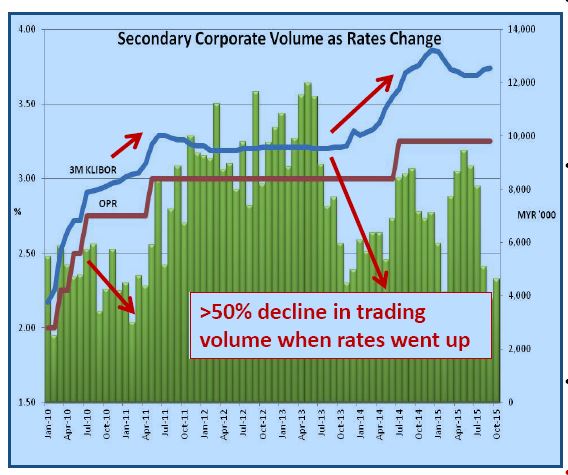
Click Here : PPKM Seminar_Credit spread quotation_Final 5 Nov 2015
Briefing Organisedby Bank Negara Malaysia and
The Financial Markets Association of Malaysia (PPKM)
FX15 –KUALA LUMPUR CONFERENCE Organised by Bloomberg in Partnership with Malaysian Association of Corporate Treasurers (MACT) and The Financial Markets Association of Malaysia (PPKM)
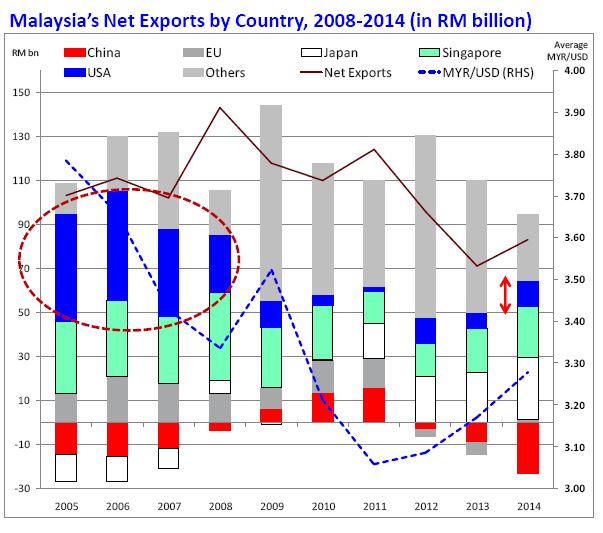
Click here : DLKK FMA FX15_Final 22 Sep
USD/MYR Interbank Intraday Rate

Click Here for link : USD/MYR Interbank Intraday Rate
FMAM Press Release


PERSATUAN PASARAN KEWANGAN MALAYSIA
(ACI – FINANCIAL MARKETS ASSOCIATION OF MALAYSIA)
22nd August 2015
The Financial Markets Association of Malaysia is encouraged by the Prime Minister & Finance Minister’s assurance that Malaysia will not impose capital controls nor peg the Malaysian Ringgit. This follows on from the same commitment made recently by the Governor of Bank Negara Malaysia. Re-iterating and re-confirming market friendly policies are indeed welcomed by the financial markets which is experiencing significant market volatility despite the strong fundamentals of the economy. The commitment from the Prime Minister, Finance Minister and Central Bank Governor will help ensure that the market continues to remain robust and function well.
The Financial Markets Association of Malaysia, a professional body which supports the development of the financial markets and whose members include all Malaysian licensed banks, domestic as well as foreign owned, remains committed to providing regulatory guidance, hedging and transactional solutions to those exposed to the volatile foreign exchange rate market. This applies not only to onshore users but also to offshore investors who seek to hedge and protect their investments in Malaysia. Dispelling the possibility of capital controls is especially useful to foreign investors in a move that signals Malaysia’s continued commitment to an open capital and current account.
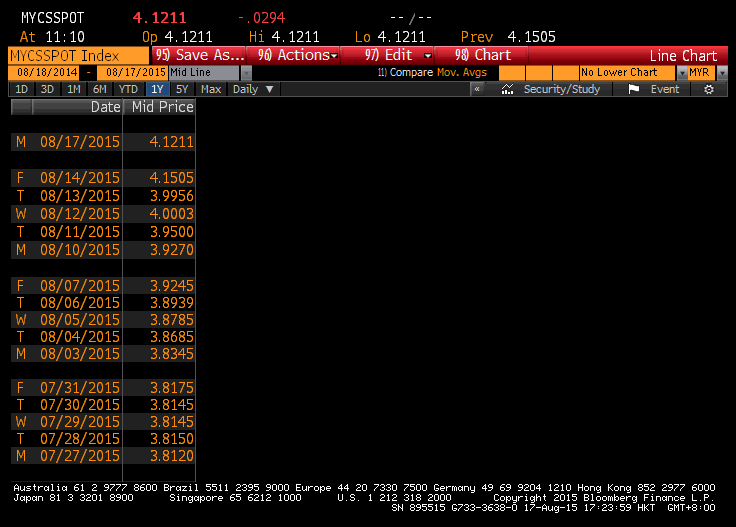
MYR Fixing As At 17082015
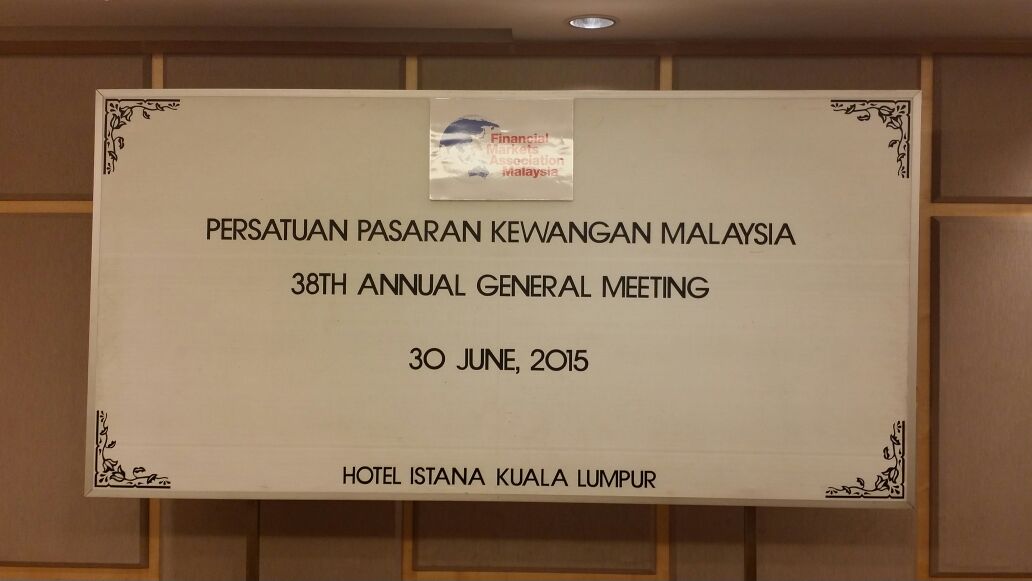
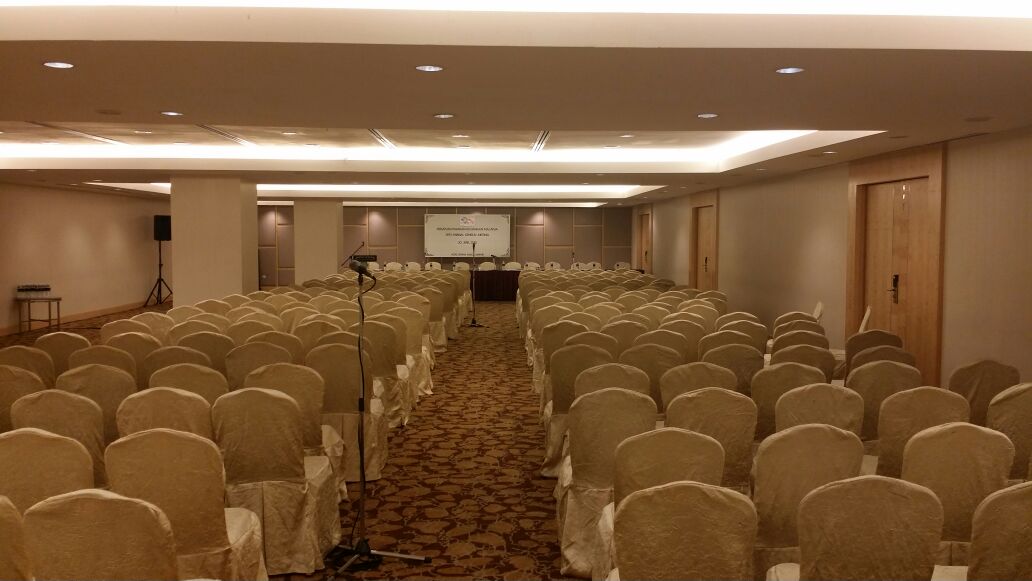
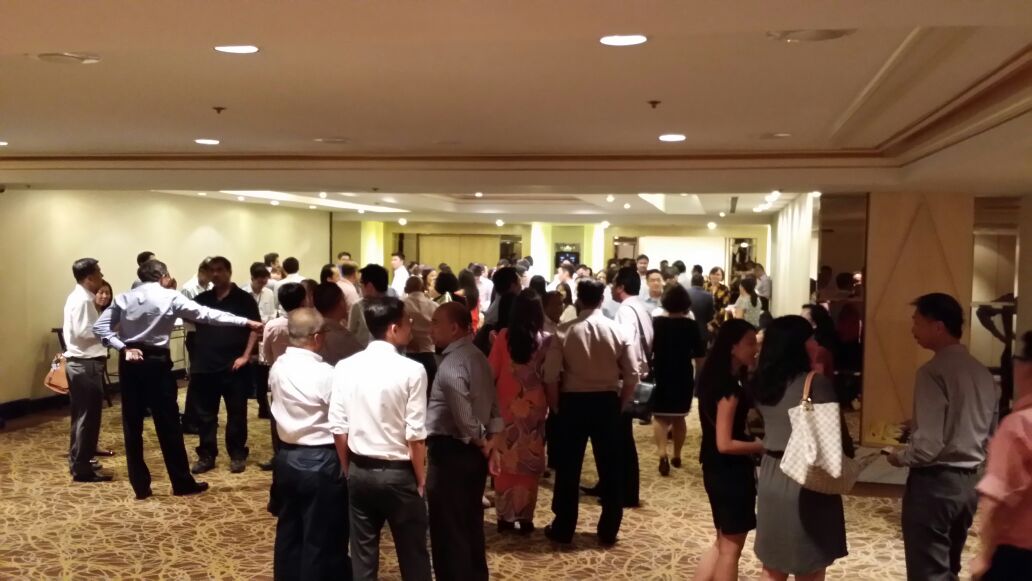
PPKM 38th AGM











Malaysia Central Bank tells banks to use local FX reference rate

Jan 29 (Reuters) – Malaysia’s central bank said it has told domestic banks they must use a reference rate produced by the country’s foreign exchange association for ringgit foreign exchange contracts.
The central bank’s directive would exclude use of a Singapore-based fixing that is currently used by many traders in the market.
The directive was sent to heads of banks in Malaysia and dated Friday. Traders in Kuala Lumpur said the central bank had provided no reason for the ruling.
Traders, speaking on condition they not be named, said onshore banks had been told to use the spot ringgit rate derived each day from contributions onshore. That rate is managed by the Association Cambiste Internationale (ACI) and is an average of contributions from 12 banks.
Many of them had been using the reference rate provided by the Association of Banks in Singapore. The ABS’s set of rates includes spot currency rates and interest rates for the ringgit, Singapore dollar, Thai baht and Indonesian rupiah.
The ABS declined comment.
“Please be informed that a licensed onshore bank is required to ensure that the Malaysian USDMYR fixing is used as reference for the pricing of foreign exchange contracts involving ringgit. No other fixing shall be used as reference,” Bank Negara Malaysia’s note to banks said. A copy of the circular was seen by Reuters.
The reference rates, or fixings, are used by banks to settle maturing onshore forward contracts and offshore non-deliverable forwards (NDFs).
Singapore’s central bank, the Monetary Authority of Singapore, ordered banks that help set local interbank lending rates and NDF rates to review the fixing process last year as U.S. and British regulators cracked down on manipulation of the London interbank offered rate (Libor), a benchmark used to set interest rates for around $600 trillion worth of securities.
A source with knowledge of the inquiries told Reuters that the internal reviews by banks in Singapore had found evidence that traders colluded to manipulate rates in the NDF market.
The source did not make specific comments about possible wrongdoing by individual banks or traders and Reuters has no independent evidence of such wrongdoing.
(Editing by Edmund Klamann)
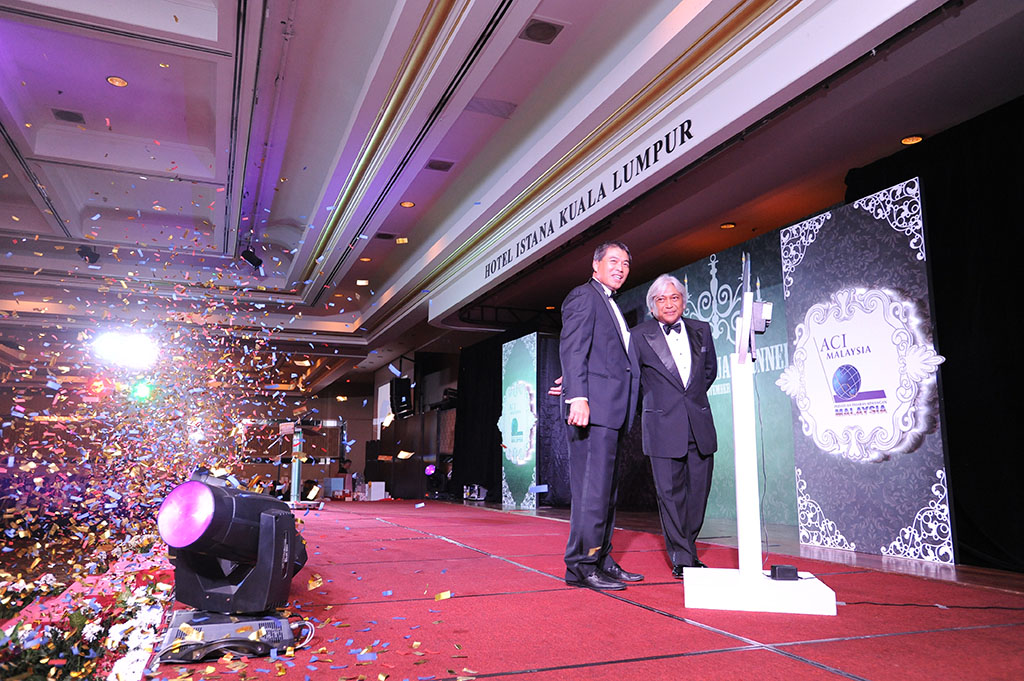
Launching of new logo of PPKM